- Agent Pulse
- Posts
- Agents Can Now Pay — The Trust Stack Is Racing to Catch Up
Agents Can Now Pay — The Trust Stack Is Racing to Catch Up
Alipay opens payment rails to AI agents as KYA governance, commerce trust layers, and secure coding infrastructure emerge to control how they act.

O P
April 21, 2026

Sponsored by

How 2M+ Professionals Stay Ahead on AI
AI is moving fast and most people are falling behind.
The Rundown AI keeps you ahead of the curve.
It's a free AI newsletter that keeps you up-to-date on the latest AI news, and teaches you how to apply it in just 5 minutes a day.
Plus, complete the quiz after signing up and they’ll recommend the best AI tools, guides, and courses — tailored to your needs.
AIonFire | AArena | Submit Agent | Advertise | SEO Backlink
Welcome back! OP here again, helping you with another addition of Agent Pulse - your go-to spot for agentic news, insights and more.
In today’s:
👉 TOP Agentic News
✨ Featured Agents
🎙️ What to Watch this Week
⚔️ Agent Arena Battleboard
🏆 Agents Leaderboard
🗺️ Agents Landscape Map

Alipay launched a new service that lets OpenClaw-type AI agents make purchases and complete payments with user authorization, pushing agentic commerce from theory into live transaction rails. The company said Alipay AI Pay had already surpassed 100 million users in February 2026 and processed more than 120 million transactions during one week in February, giving this extension real infrastructure weight. The new service is designed so users can enable payment in an agent with minimal setup, while Alipay layers in identity verification, transaction authorization, risk controls, and compensation coverage. Strategically, this is one of the clearest signs yet that agentic commerce is moving from discovery and recommendations into actual payment execution.
MetaComp launched StableX Know Your Agent (KYA), which it describes as a governance framework for AI agents operating in regulated financial services. The framework focuses on how agents are identified, authorized, monitored, and held accountable in payments, compliance, and wealth workflows, and MetaComp said it is open for adoption by institutions, regulators, and partners. Alongside the launch, the company expanded its AgentX financial-services skill ecosystem across platforms including Claude, Claude Code, and OpenClaw. The bigger takeaway is that financial institutions are no longer just asking how agents can work; they are beginning to define the compliance and accountability layer required to let them operate in production.
Accenture and WaveMaker announced a strategic push to help growth-focused organizations adopt an agentic AI application platform with built-in guardrails. The pitch centers on faster modernization of legacy apps using WaveMaker’s two-pass code generation architecture, with Accenture providing the delivery muscle and enterprise credibility. What makes this relevant is the target market: organizations that want practical agentic adoption but do not have the budget or appetite for massive transformation programs. Strategically, this suggests the agent platform market is expanding from top-tier enterprises into the midmarket, where packaged guardrails and implementation support may matter more than frontier-model sophistication.
The browser that reads the room before you ask.
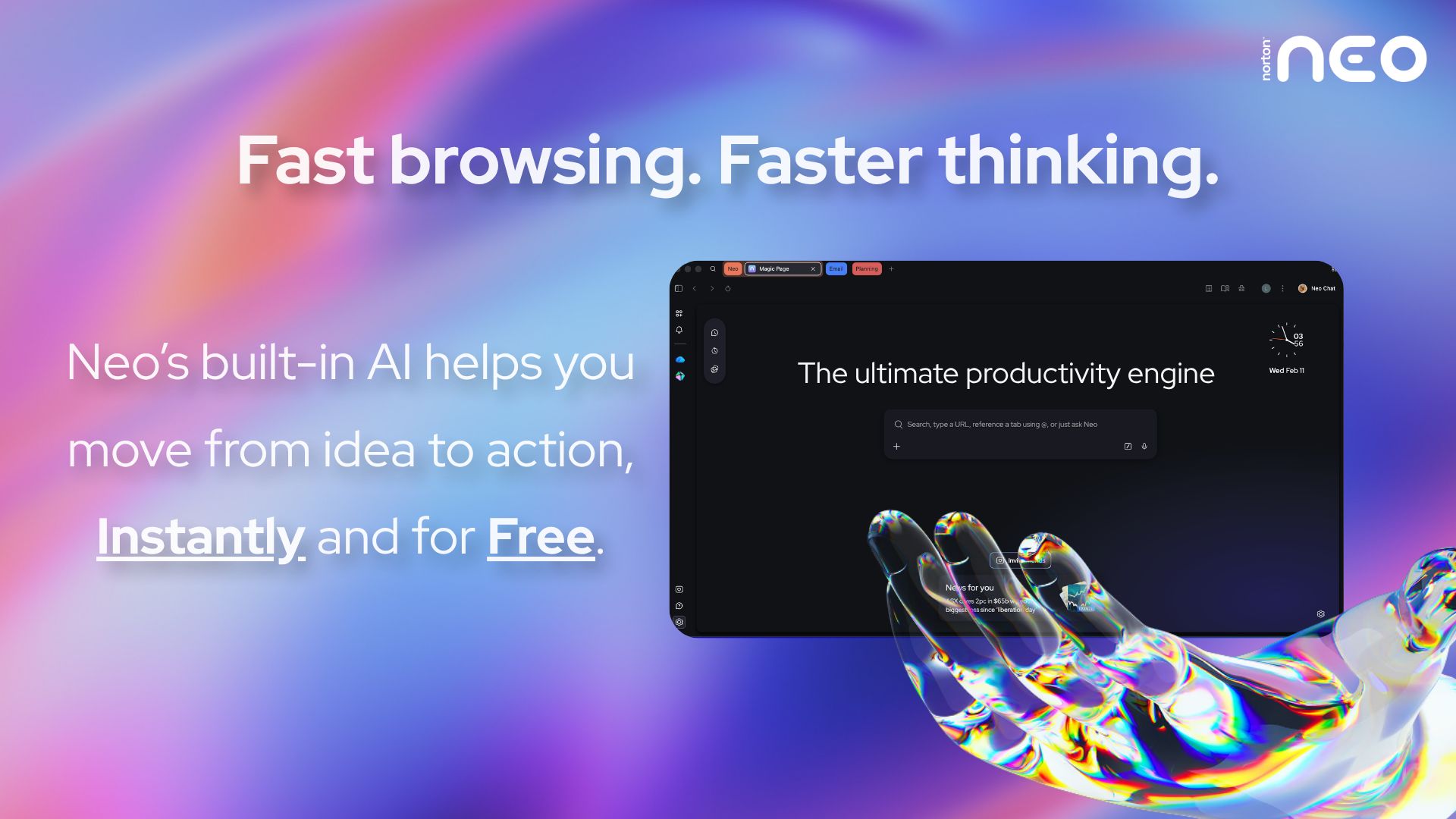
Most browsers get you to the page. Norton Neo gets you to the answer. Magic Box understands your intent before you finish typing — no prompting, no switching apps, no copy-pasting. Built-in AI, instantly and for free. Privacy handled by Norton, by default.
Payments specialist Fime introduced FACT (Framework for Agentic Commerce Trust), which it calls the first trust layer built specifically for agent-initiated commerce. FACT is meant to sit between AI systems and payment rails, offering real-time trust verification, policy/compliance monitoring, intent validation, auditor agents, and transaction-level trust attestation. That matters because one of the biggest blockers in agentic commerce is not whether agents can transact, but whether merchants, financial institutions, and platforms can trust and audit those transactions. Strategically, this is notable because it treats trust infrastructure as a standalone market category for the agent economy, not just a feature tucked inside a payment stack.
Chainguard and Cursor announced a partnership aimed at securing agentic software development by supplying trusted open-source artifacts directly into AI-driven coding workflows. The pitch is straightforward: as coding agents become more autonomous, the software supply chain becomes a larger attack surface, so trusted dependencies and secure-by-default artifacts need to be built into the loop. Chainguard said Cursor can configure projects, manage secrets, and source dependencies through natural-language instructions, reducing manual setup while tightening security controls. Strategically, this shows the agentic coding stack maturing beyond productivity into infrastructure-grade concerns like provenance, malware resistance, and production safety.
Hyland rolled out a set of agentic and AI-driven updates aimed at turning enterprise content systems into execution layers for AI agents. The most relevant launch was Hyland Agentic General Ledger Coding, which embeds agent-driven intelligence into accounts payable workflows with explainable recommendations, confidence scoring, and human oversight. Hyland also expanded cloud content services and knowledge tools meant to make enterprise documents more AI-ready and more governable for downstream agents. Strategically, this points to a broader pattern: content management vendors are repositioning themselves as the data and control substrate for enterprise agents, especially in regulated processes.
Your ads ran overnight. Nobody was watching. Except Viktor.
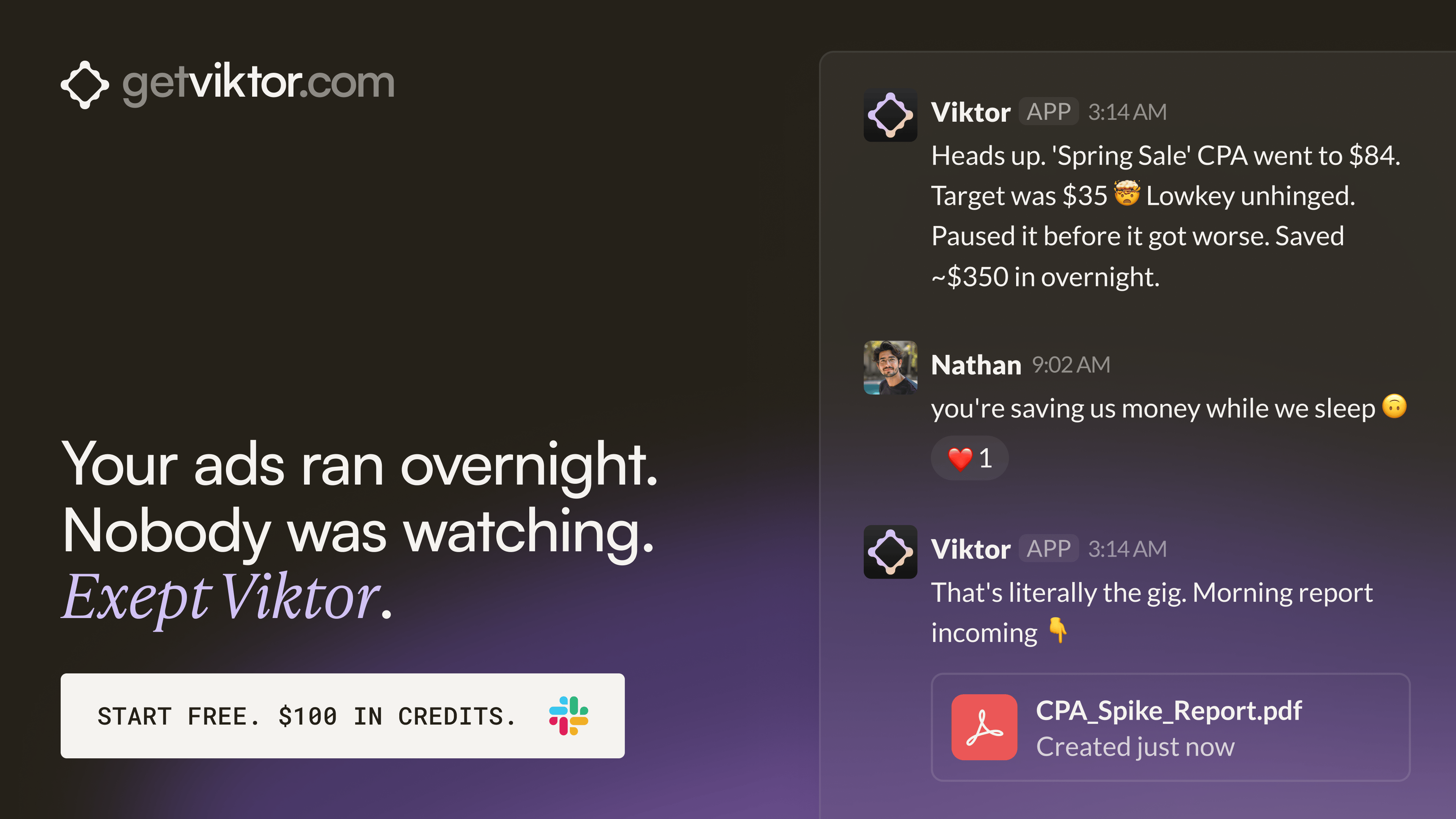
One brand built 30+ landing pages through Viktor without a single developer.
Each page mapped to a specific ad group. All deployed within hours. Viktor wrote the code and shipped every one from a Slack message.
That same team has Viktor monitoring ad accounts across the portfolio and posting performance briefs before the day starts. One colleague. Always on. Across every account.
Featured AI Agents
Netscope - Ecommerce AI agent for Amazon, Shopify, TikTok Shop sellers
Zawa AI - AI-powered brand kit generator for logos, posters, and mockups
Agentman - AI agents for your entire medical practice back office
Vibe Otter - Build a professional website in just 30 minutes
Handinger - Turn any website into clean Markdown
Nano Banana - Prompt-based photo editing with character consistency
TheLibrarian.io - Your WhatsApp AI sidekick
Blocks - Platform that brings coding agents into your development workflow
Orloj - Declarative agent infrastructure as code for multi-agent AI orchestration

What to Watch this Week
🎙️AI on Fire: Real Builders. Real Heat.
Stories from people building AI Agents. Explore all episodes here
Building with AI Agents? Come talk about it.
AI on Fire is the podcast where we speak with founders and builders shaping the agent economy.
🏆 The Leaderboard Never Sleeps
The global ranking of AI agents is shifting every day. Who’s on top? Who just dropped?
🗺️ The Map of AI Agents (Live & Growing)
We’re charting the entire AI agent ecosystem — thousands of options across categories.
Your next agent is already on the map.


How'd we do? |
Reach 23,000+ Readers:
Newsletter is read by VCs, founders, engineers, managers and tech professionals.
Reply